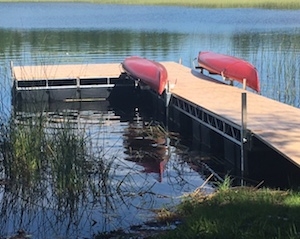
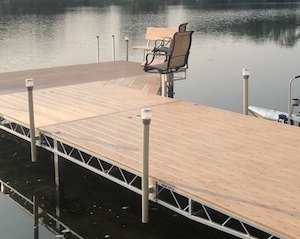
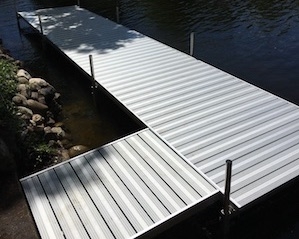
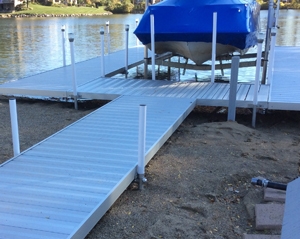
We Have a Wide Selection of Stationary, Roll-In & Floating Docks to Fit Your Lakeside Property?
Diverse Configurations
All of our docks offer seemingly endless options for finding a configuration that best suits your lakefront needs.
Material Variety
Our aluminum dock sections are available in anodized or powder-coated finishes. Both options will keep you from burning your feet.
Additional Accessories
Improve your lakefront property even further with accessories like solar-powered lights, flagpoles, swivel chairs, benches, kayak racks, and more.
Different Dock Systems
We offer a range of solutions, including stationary, floating, and roll-in docks, which make managing the changing seasons easier.
Why You Should Upgrade Your Existing Dock System
If your current dock feels outdated, unsteady, or limited, an upgrade can change the way you use your shoreline. A modern dock system offers better access, stronger materials, and a layout that fits how you actually use the lake. You get a space that's safer, more reliable, and built for both relaxation and regular use. Upgrading your dock can bring long-term value and immediate day-to-day benefits:
- Added Property Value: Improve your shoreline's function and long-term appeal.
- Easy Access: Walk into your boat, kayak, or paddleboard without hassle.
- Flexible Setup: Adapt the layout to your shoreline depth, slope, or water level.
- Less Trailering: Keep your gear on the water and ready to use at any time.
- Lower Maintenance: Newer systems help prevent wear on equipment and reduce the need for repairs.
- Room to Gather: Make space for family, guests, or quiet mornings by the lake.
- Safe Storage: Keep watercraft protected and secure.
- Seasonal Simplicity: Select materials and designs designed for quick spring/fall transitions.
A quality dock system should complement your lifestyle, not hinder it. If your current setup isn't doing that, it might be time to upgrade.
The Value of a Durable Floating Dock System
A floating dock system is a freestanding platform that rests on sealed, buoyant chambers—usually made of polyethylene or foam-filled plastic. It floats up and down on moored posts, which means it can rise and fall with water level changes while staying stable and level. This makes it a strong fit for lakes with soft bottoms or fluctuating conditions. The dock floats on the lake with guide poles or flexible mounts, providing safe and consistent access year-round.
Unlike fixed docks, a floating system doesn't need to be removed each winter. It will float with the changes in the lake. Most often it will sit on the top of the Ice. That long-term durability provides dependable lake access without the need for constant repairs or seasonal maintenance.
Dock & Boat Lift Dealer FAQs
How can I figure out which dock works best for my shoreline?
Begin by observing how your shoreline naturally shifts throughout the seasons. Water depth, lakebed type, wave exposure, and your intended use of the space all determine which type of dock will perform best.
Our team will guide you through those factors and help you match your setup with a dock style that makes daily use easy and long-term care simple. We take the guesswork out, so you can enjoy your shoreline without overthinking it.
Which dock materials hold up best with the least maintenance?
Some materials are built to last longer with less upkeep, especially when exposed to changing weather and water conditions.
- Anodized Aluminum: Stays cool in the sun, resists rust, and won't peel or crack.
- Powder-Coated Aluminum: Offers added color and finish without sacrificing strength.
- Heavy-Duty Plastic Decking: Slip-resistant, low-maintenance, and long-lasting.
These materials are chosen for their durability and ease of care, making them ideal for seasonal dock setups. Each one helps reduce the time you spend maintaining your dock so you can spend more time enjoying it.
What exactly is a floating dock system, and how does it function?
A floating dock system is a platform that rests on floats or sealed chambers, allowing it to sit directly on the water's surface. As lake levels rise or fall, the entire system adjusts with them, keeping the dock level and accessible without seasonal adjustments.
Despite adapting to water movement, floating dock systems remain stable underfoot. Engineered frames and wide flotation bases limit excessive motion, creating a secure, steady feel for everyday use.
What's the difference between a roll-in dock and a stationary dock?
Roll-In Docks:
- Best for gradual slopes and firm lake bottoms
- Easy to move in and out with built-in wheels
- Ideal for seasonal setups with regular removal
Stationary Docks:
- Remain in place with stable legs or posts
- Best suited for consistent water depths
- Provide a firm, steady platform throughout the season
Choosing between the two depends on your shoreline conditions, how often you plan to move the dock, and how you want to use the space. Both offer reliable performance with low-maintenance materials.
What types of docks perform best on Whitmore Lake based on shoreline and water level changes?
Shorelines around Whitmore Lake experience fluctuating water levels and varying lakebed conditions, making dock selection an important decision. Fixed docks offer long-term stability when the lake bottom allows for secure anchoring.
Floating docks adjust with water levels and are ideal for areas with soft or uneven lakebeds or deeper water applications.
How long does it usually take to complete a dock or boat lift installation near Whitmore Lake?
Partnering with a local dock builder ensures a smoother and more predictable process, from planning to installation. Call us, and we'll be happy to provide a time estimate based on your specific setup.
Which dock material best suits Whitmore Lake's water conditions?
Whitmore Lake's water conditions demand a dock material that can withstand the elements while remaining attractive and low-maintenance. Anodized aluminum is the top choice for long-lasting performance.
- Lifetime durability with corrosion resistance
- Comfortable surface that stays cool in summer
- Low maintenance and easy cleaning
- Consistent appearance when adding new sections
Anodized aluminum delivers unmatched value for shoreline strength, comfort, and long-term beauty.
Do property owners on Whitmore Lake need permits to install a dock or boat lift?
Seasonal docks do not require permits in the state of Michigan. However, pile-driven docks do require state permits.
Working with a company familiar with Whitmore Lake's permitting process helps avoid delays and ensures compliance with environmental and state guidelines. We're happy to help answer any permitting questions during your planning phase.